where we cook

Costa Rica

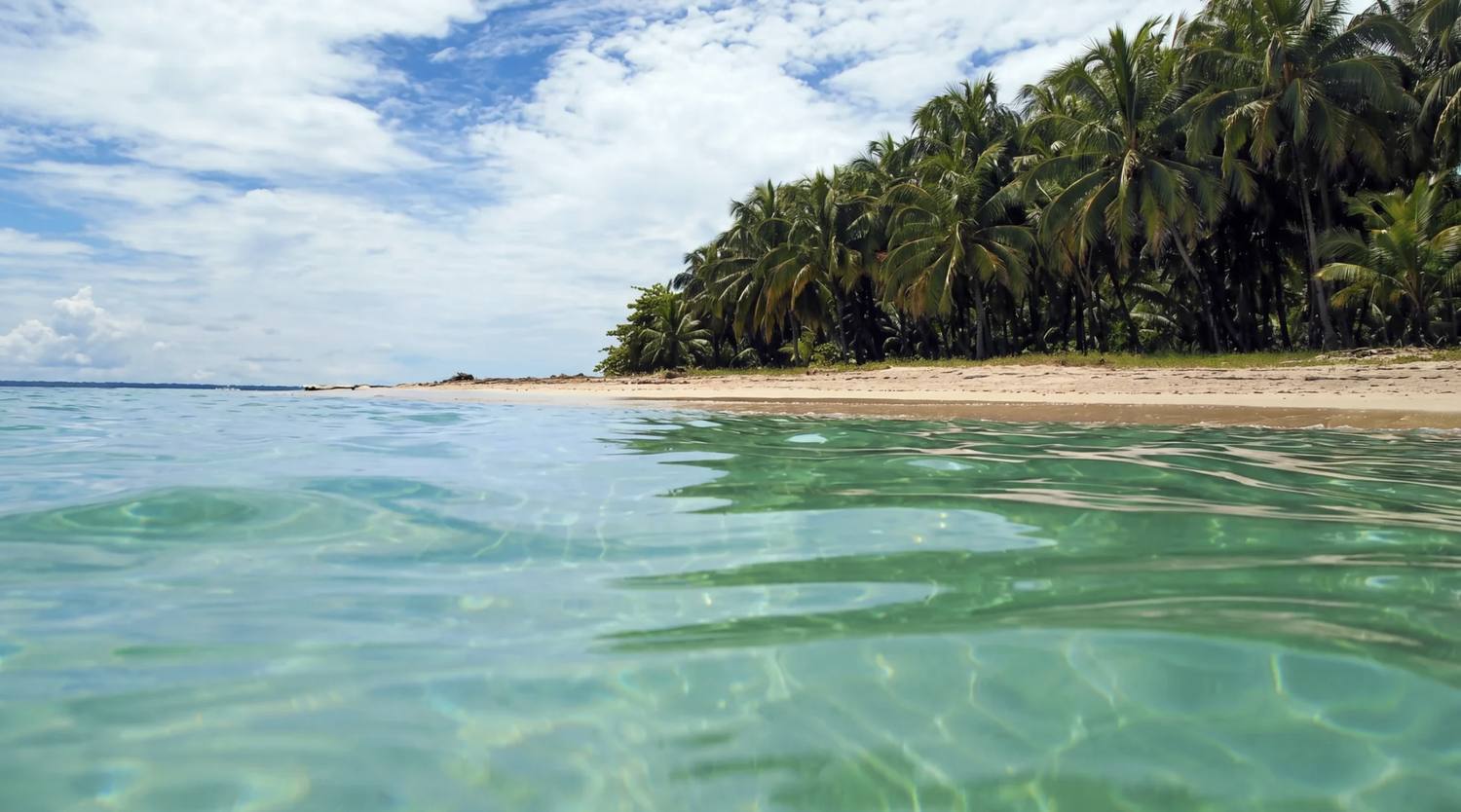
Six regions, six pantries. We are based in La Fortuna and travel the whole country — this is what changes when we do, and what it means for the food on your table.

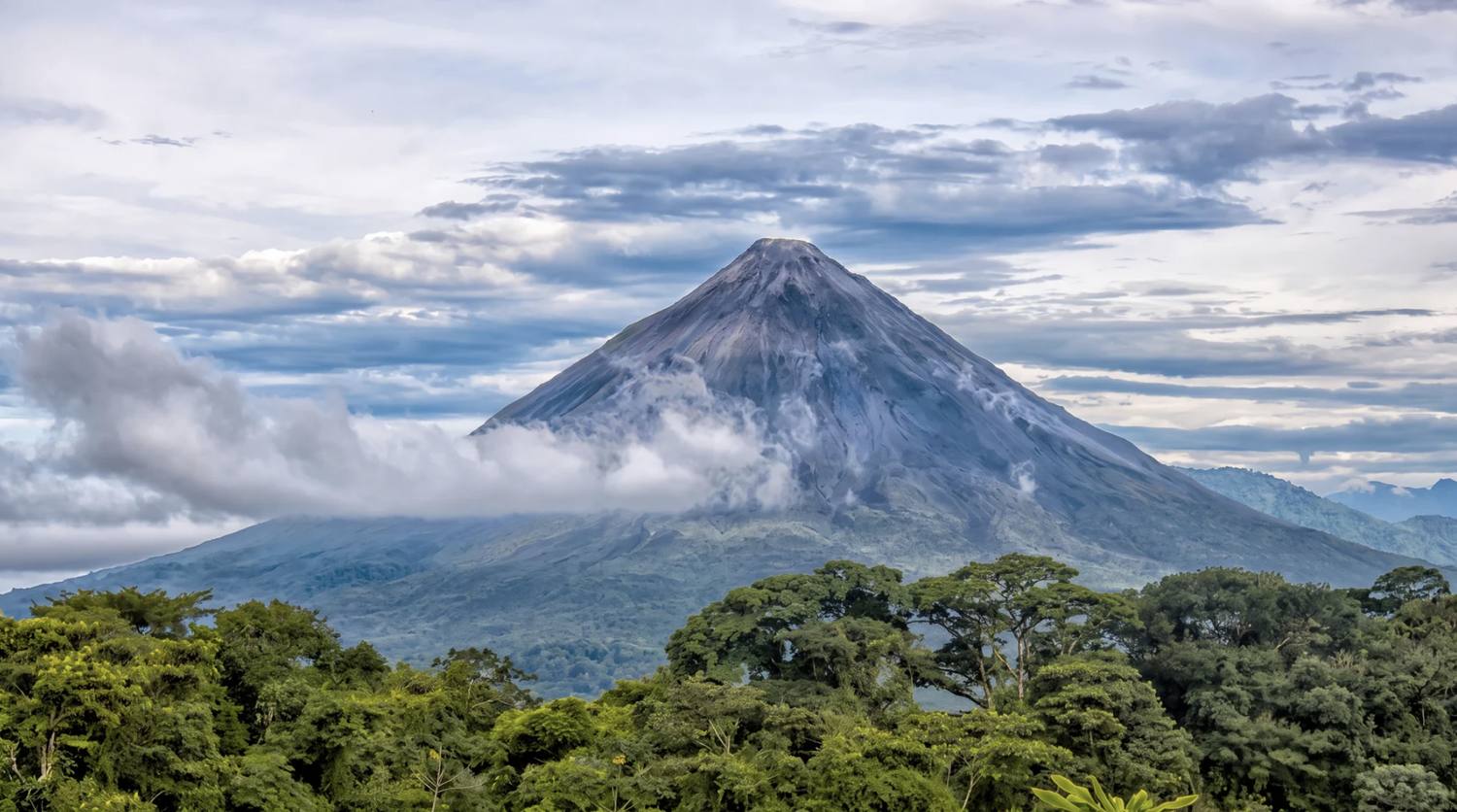
Arenal and the Northern Plains, Costa Rica

01

Arenal & the Northern Plains
cacaotilapiapejibayeroots

La Fortuna · Arenal · Monteverde · Río Celeste · Sarapiquí

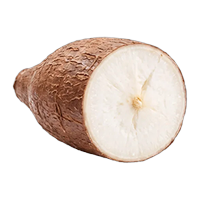
Volcanic soil and constant rain make this the most fertile corner of the country. Arenal's slopes grow root crops, heart of palm and pejibaye — the palm fruit that has fed people here for thousands of years, boiled in salted water and eaten with nothing but a spoonful of mayonnaise.

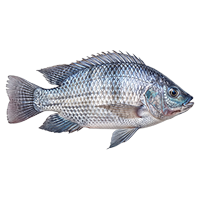
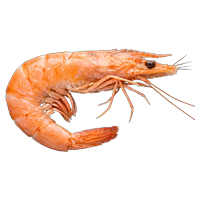
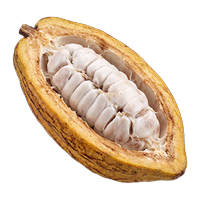
Upala and the Sarapiquí lowlands are cacao country: fine-flavour beans fermented on the farm and dried in the sun. The lake and its rivers give tilapia and freshwater shrimp. Monteverde, an hour above, is a different climate entirely — cloud forest, dairy and cheese made by Quaker settlers since the 1950s.

This is our home region, and the one we know grower by grower.
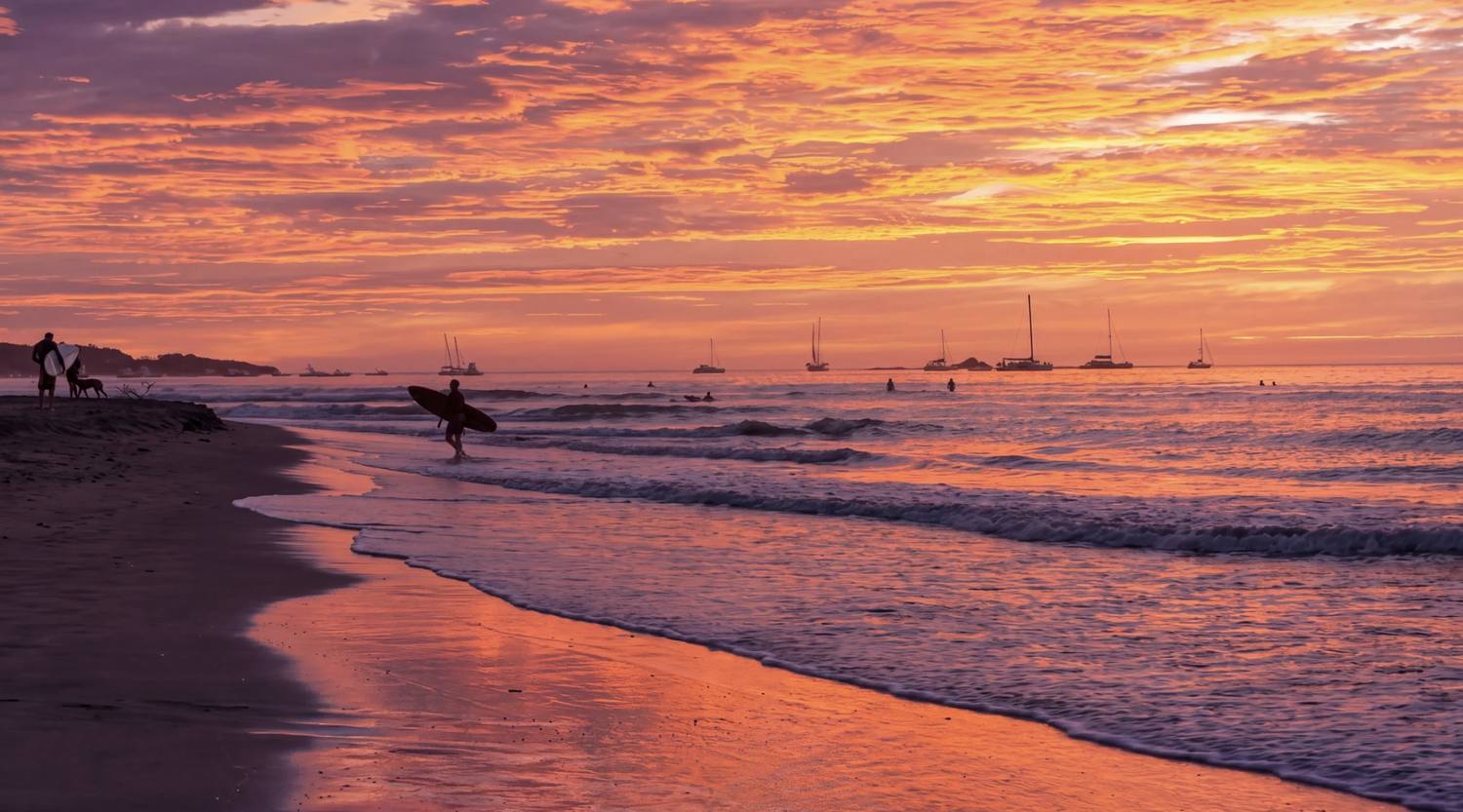
Guanacaste and the North Pacific, Costa Rica

02

Guanacaste & the North Pacific

shrimpcorntamarindsea salt

Papagayo · Tamarindo · Flamingo · Nosara · Sámara · Playa Grande

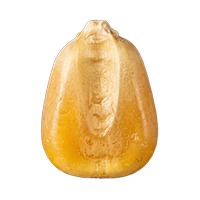
Guanacaste is the driest region of Costa Rica: a tropical dry forest that drops its leaves in summer and turns gold while the rest of the country stays green. That climate built a cuisine on corn — the oldest maize traditions in the country survive here, in tortillas ground on stone and in the sour, fermented drinks that go with them.

Salt is still harvested by hand from the flats near Colorado de Abangares. Tamarind grows in nearly every yard, and the guanacaste tree that gives the province its name shades the cattle ranches that have defined it for three centuries.

The boats land at Playas del Coco and Tamarindo through the morning. What comes up depends on the season and the swell.

The Central Pacific, Costa Rica

03

The Central Pacific

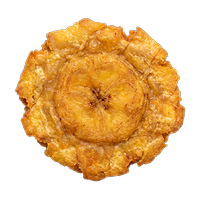
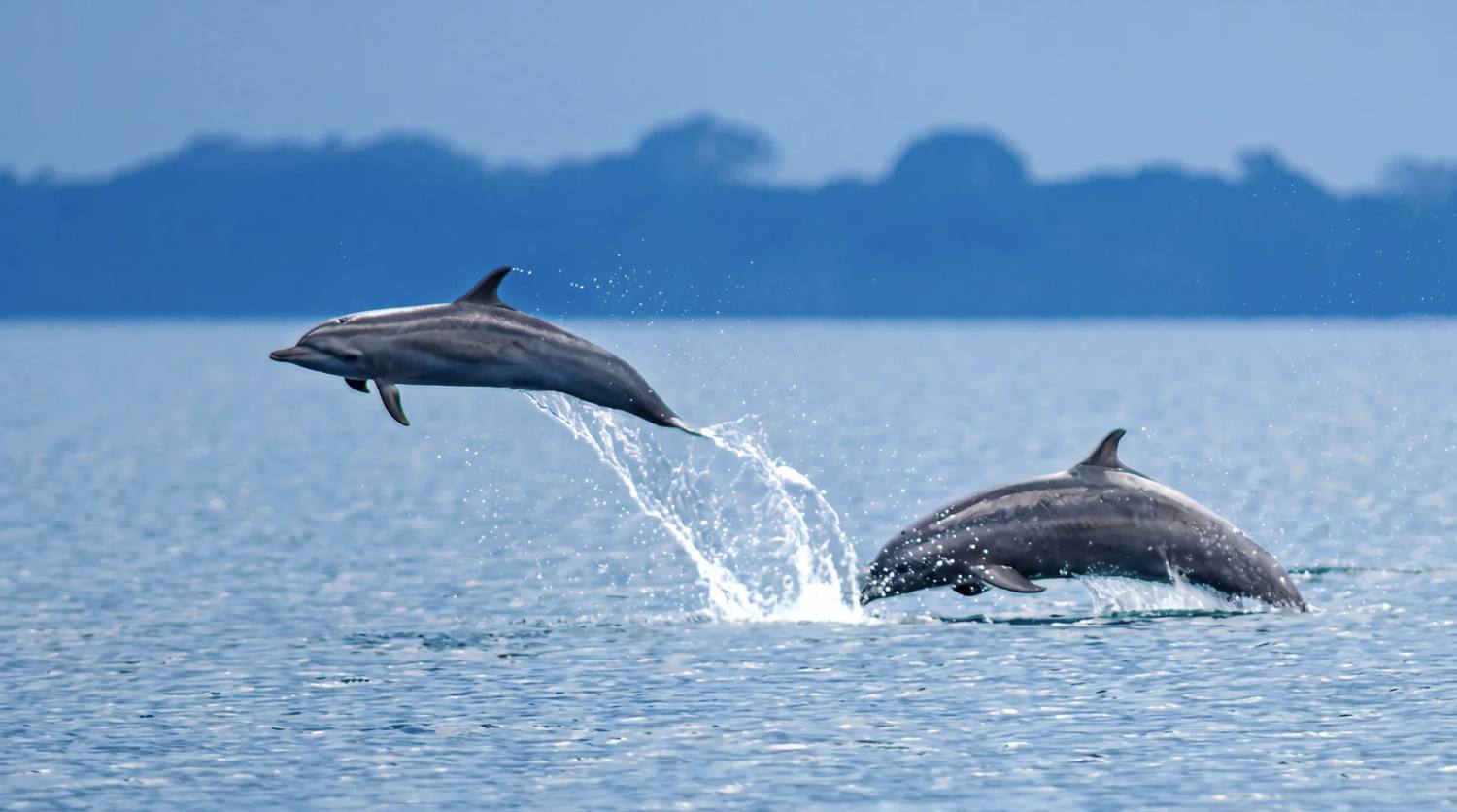
snappermangopalm heartplantain

Santa Teresa · Mal País · Jacó · Herradura · Manuel Antonio · Quepos

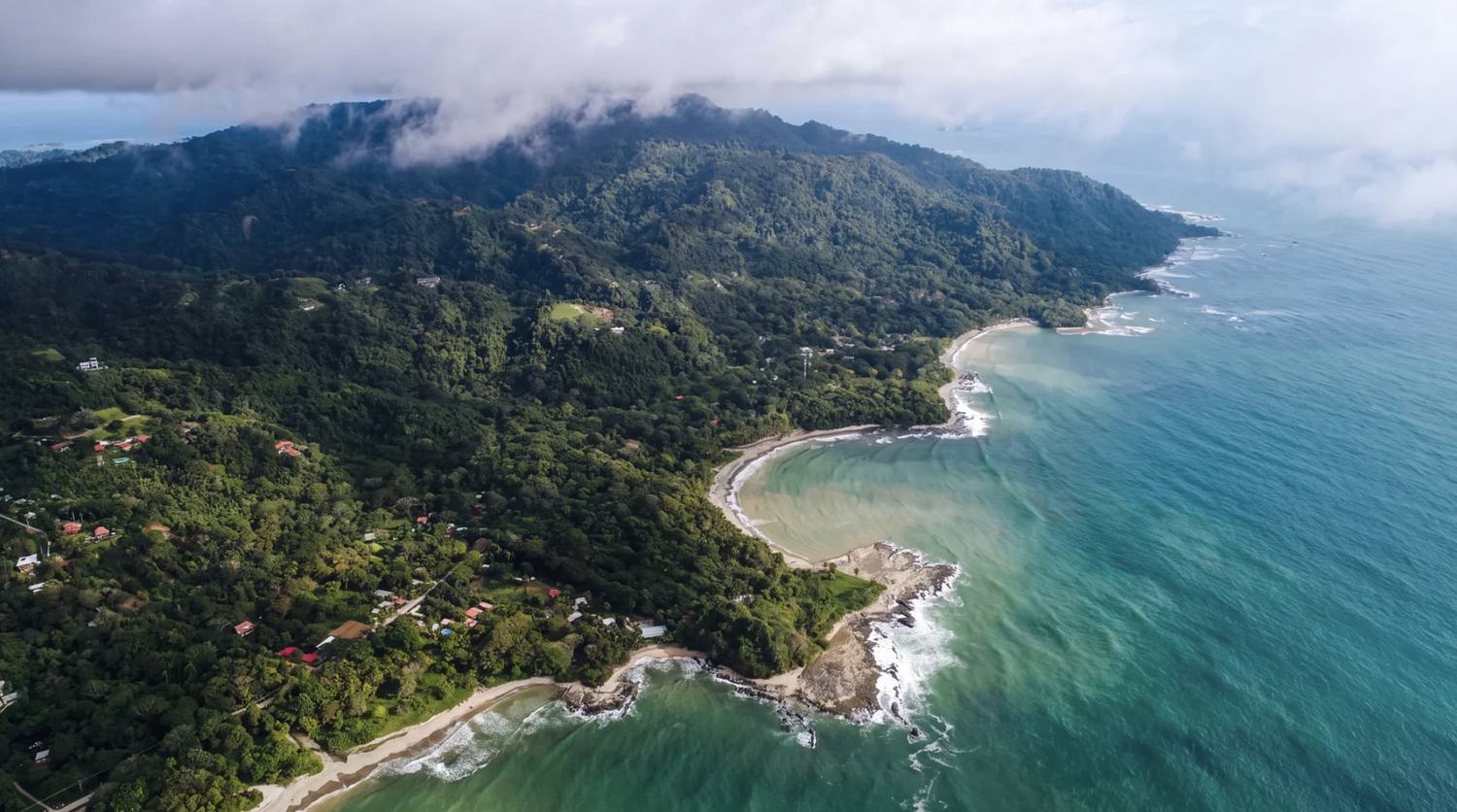
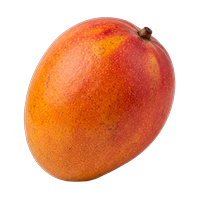
Where the mountains meet the ocean in a matter of kilometres. Steep, humid slopes above the beach grow mango, plantain and heart of palm within sight of the water, and the rainforest comes right down to the sand — Manuel Antonio is the smallest national park in the country and the most visited.

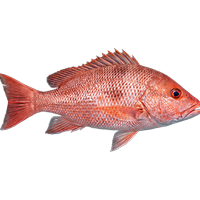
This coast was banana and then African palm country; the plantations still line the road south of Quepos. The fishing is coastal and daily rather than industrial: snapper, mahi and octopus, bought at the dock the morning of your dinner.

The South Pacific and Osa, Costa Rica

04

The South Pacific & Osa

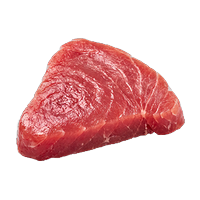
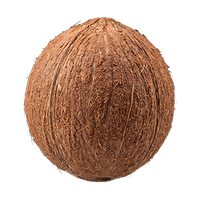
tunacoconutpineapplewild cacao

Dominical · Uvita · Ojochal · Osa Peninsula · Drake Bay · Golfito

The wildest coast in the country. Corcovado holds one of the last lowland rainforests on the Pacific — National Geographic once called it the most biologically intense place on earth — and the Golfo Dulce is one of only four tropical fjords in the world, deep and calm enough that whales come to calve in it.

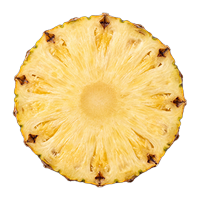
The valleys inland grow pineapple and wild cacao, and the Boruca and Ngäbe peoples still farm here as they have for centuries. The coast gives coconut, tuna and yellowtail.

Distances are long and the roads are slow. That is exactly why so few kitchens come this far.

The Caribbean Coast, Costa Rica

05

The Caribbean Coast

coconutachiotepepperbanana

Puerto Viejo · Cahuita · Manzanillo · Tortuguero · Limón

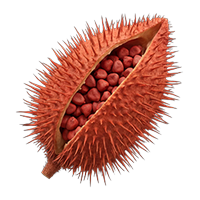
A different country, culinarily speaking. Afro-Caribbean cooking arrived with Jamaican workers who built the railway in the nineteenth century and never left: coconut milk as a base instead of stock, Panamanian pepper, achiote, thyme, and rondón — the slow-simmered stew whose name comes from what the cook could run down that day.

Cacao grows wild in the understory here, and it was the Caribbean, not the Pacific, that first made Costa Rica a cacao exporter. The reef at Manzanillo still yields lobster in season.

If you want the least Costa Rican-tasting food in Costa Rica, this is where it lives.

The Central Valley, Costa Rica

06

The Central Valley

coffeecheesestrawberryavocado

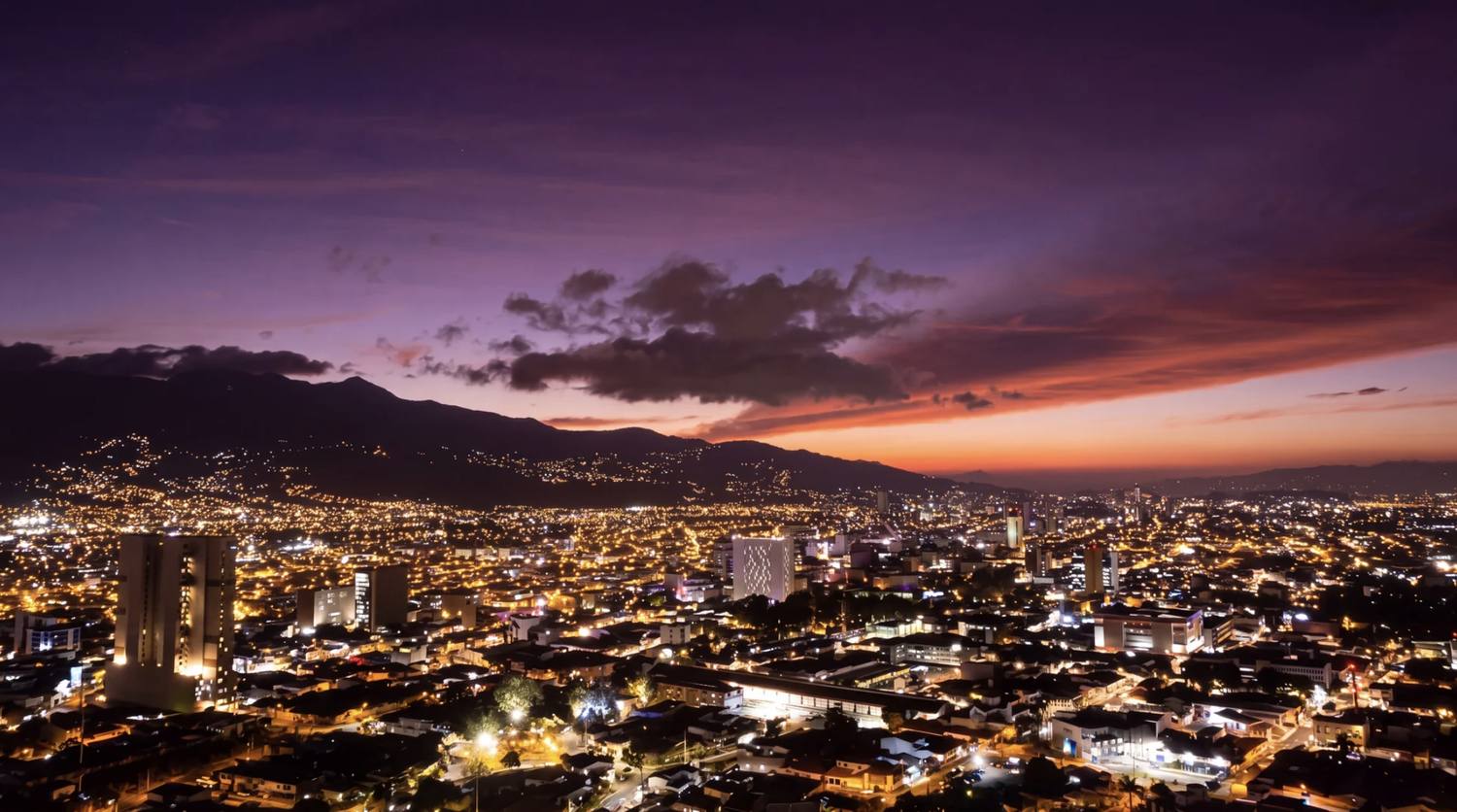
San José · Escazú · Santa Ana · Atenas · Orosi · Zarcero

Altitude changes everything. Between 1,000 and 2,000 metres, the valley grows what the lowlands cannot: strawberries, stone fruit, leafy greens, and the arabica that built the country in the nineteenth century — Costa Rica was the first Central American nation to grow coffee commercially, and the law still forbids planting anything but arabica.

Zarcero and the hills of Alfaro Ruiz are dairy country. The fresh cheeses and the natilla that appear on nearly every Costa Rican table start there.

Three quarters of the country lives in this valley, and its markets — the Feria Verde, the Mercado Central — are where most of our sourcing conversations began.

travel & timing

How distance works.

Menus are priced per guest. Locations beyond the Arenal region carry a travel and logistics fee, quoted with your proposal — it depends on distance, group size and whether the kitchen needs equipment we have to bring with us.

Nearby regions can usually be arranged with three days' notice. The South Pacific, Osa and the Caribbean need a week or more, and some remote lodges require an overnight stay for the team. If your destination is not listed here, ask anyway: if we can reach it and cook well there, we will.

Do you cook in villa and Airbnb kitchens?

Yes. We cook in the kitchen of your villa, vacation rental or lodge, bring our own equipment and knives, and leave the kitchen exactly as we found it.

How many guests can you serve?

Groups of 2 to 12 for plated tasting menus. Larger groups are possible with family-style or buffet service.

Can the menu change with the region?

The menu is designed with you before we travel. What changes is the market — we buy where we cook, so the same course arrives with what that coast or valley gave us that morning. Fully bespoke menus are available too.

What if there is no proper kitchen?

Tell us in advance. We have cooked on a single induction burner and over open fire; we will tell you honestly what is possible in the space you have.

Plan your evening Find your menu